History
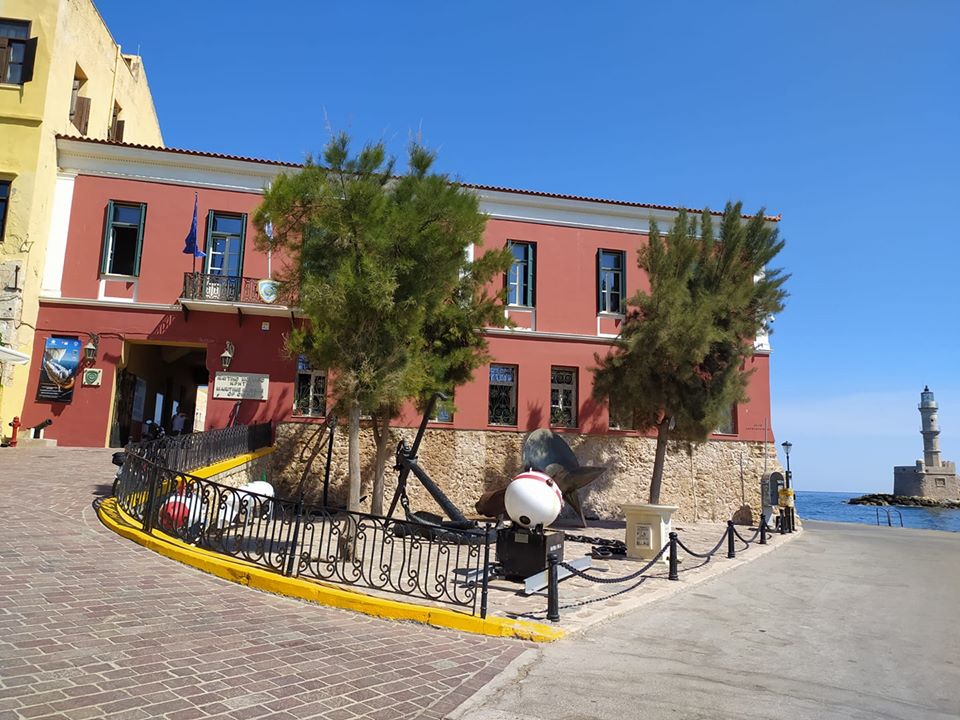
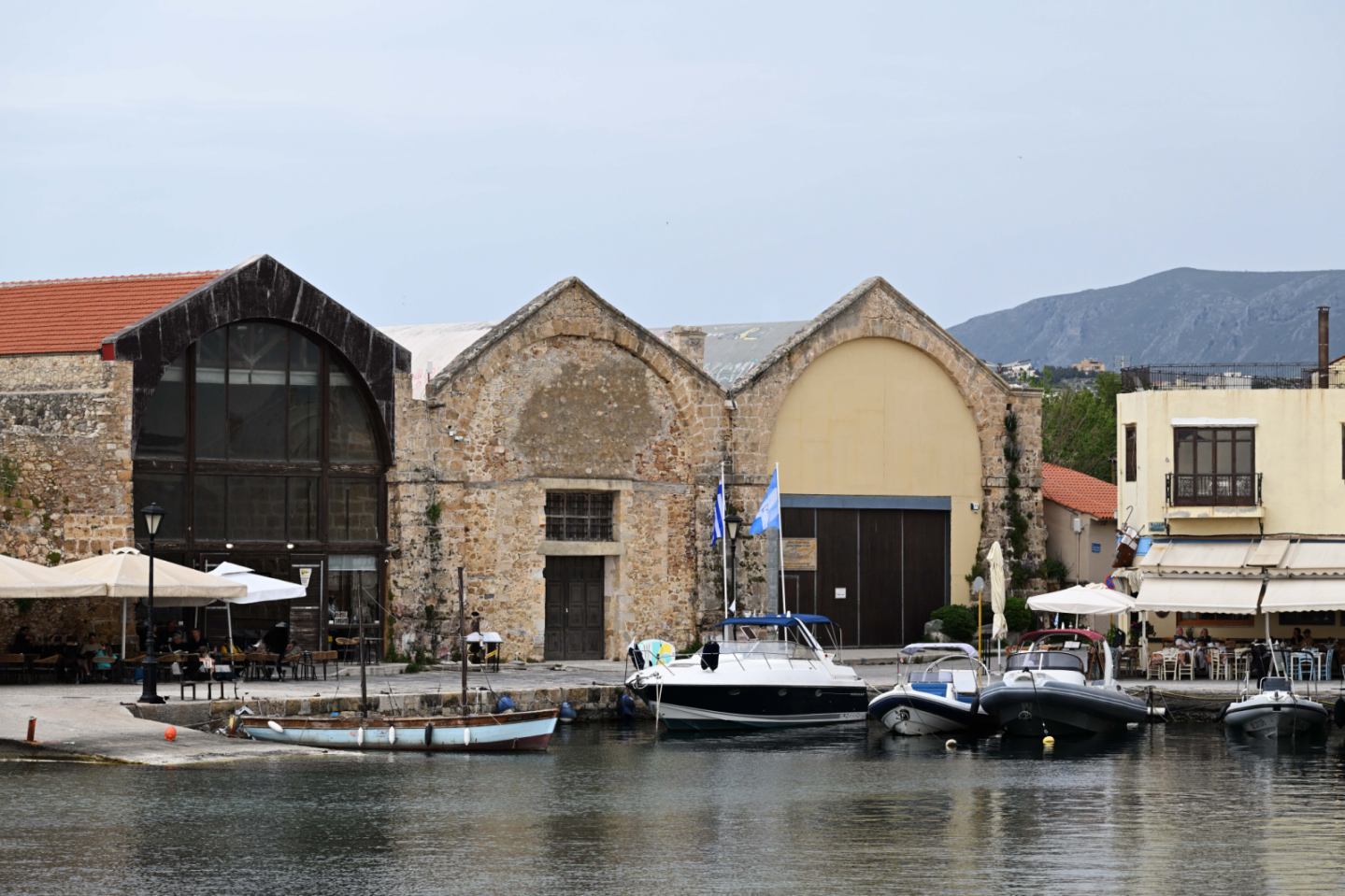
The “FIRKA” Fortress is situated at the entrance of Hania Old Harbour and it was constructed by the Venetians (1204-1669) in order to be used as the local garrison.
Later Ottomans (1669-1898) used it for the same purpose and established there the Division Command. The name “FIRKA”, which in Ottoman Turkish language means barrack, is used until today. On the 1st of December in 1913, it was raised here for the first time the Greek flag, a memorable event connected with the Unification of Crete with the motherland Greece.
Nowadays, at the entrance of this Fortress it is situated the Maritime Museum of Crete, which was founded in order to house and perceive the Greek Maritime Traditions and those of Crete’s as well.
It was donated by the Navy and operates with the uncompromising support of the Region of Crete – Regional Unit of Chania, the Municipality of Chania and the Naval Base of Crete.
Foundation
The Maritime Museum of Crete was founded in 1973, on the 32st anniversary of the Battle of Crete.
The Founder was Vice Admiral Ar. Giannopoulos H.N.
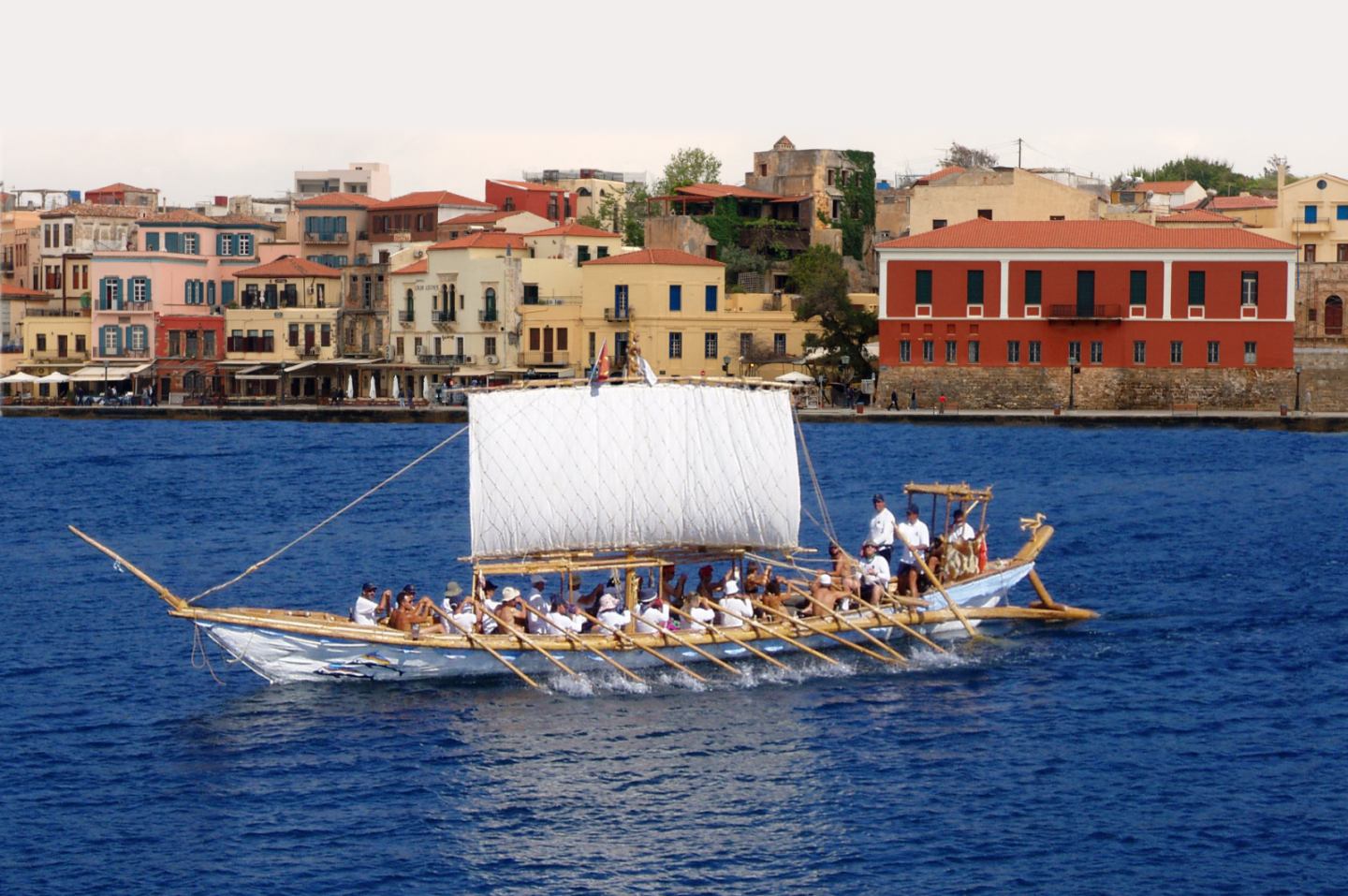
The local press pointed out during the opening day of the museum: “The Maritime Museum is a great proof of the interest and love for our glorious Greek Navy, which continuing its wonderful traditions in war and peace, bequeaths to this provincial city of Greece a cultural space congruent with the best ones of that type in Europe”.
The Maritime Museum of Crete is the second oldest Maritime Museum in Greece, after the Maritime Museum of Greece in Piraeus and it welcomes approximately 45,000 visitors every year.
Journal Cretan Επιθεώρησις’ sheet of 25.02.1973
‘All great things begin with an idea, when I don’t this that capture the beautiful reflection based on rational backgrounds and loved with a passion that was saved, then all come by themselves, the idea is implemented and the thought becomes a work of wondrous, that all the proud and all rejoice with universal love. In principle has been a wonderful admiral with excellent perception and a higher cultural level who diagnosed the need for a maritime Museum, a standing, i.e., a report that will be reminiscent of the sea, Greek manliness, throwback to the beautiful pages of our island of greatness.
Something that reminds me of the great moments in the history of our Nation and at the same time troubling youth, awakening, and raising the navy, the feeling, the descendants of being an island country with a thousand-year past.
These were the first psychologically, we would say, motives of the excellent mr. Giannopoulos, who honors and ναυτικήν and the human status of a literalist Greek. Friend’s bosom, Crete, the Admiral Giannopoulos, he set out with a steel will and excess passion to create that nice, civilized corner in Chania, which, it should be noted, in addition to the above-mentioned reasons, will build the old town too, giving her a building is incomparable cultural value. The project started with a lot of difficulties, as always, but the beginning and the end is mathematically veried , since there is the zeal and constant effort. The building that is already formatted and in which will be housed in the Μονσείον is the famous ‘Firkas’. Δικαιωματικώς belonged to the Νομαρχίαν Chania, which graciously offered gave it to the Navy by to utilize.
It all started from zero, a building almost a wreck, an old venetian and Turkish glory will change shape and soon, it will be transformed into a shining palace to house the Greek maritime history.
It is something similar to the Museum of Venice and the Ναυτικόν Μουσείον Piraeus, will be divided chronologically into rooms starting from classical antiquity, the Βυζαντική period, the pre-revolutionary, the Balkan Wars and the modern naval fact. All ορθολογιστικώς perfect, all in admirable order, and, above all, the authenticity of the true πατριδολατρείας. The State gave the first dose of 500,000 δραχ., the Navy will carry out free all the interior work. But is it certain that a serious effort of restoration and construction works will require a lot of money, that need to be found.
You will need for the story to be mentioned as a warm and loyal supporters of the whole project, in addition to the main initiator Admiral, the Regional Commander, the former Prefect of mr Παπαματθαίου, the Archaeological Service by mr Tzedaki, the architect, mr Industry, and the Mayor, who warmly processes and helps in many ways to the great effort, finally the sailor architect A. Vettas.
As I said, the noble and φιλοκρητικός mr. Admiral, the Μουσείον will start to work the beginning of May, with two in principle rooms, then maybe the beginning of the autumn will complete the whole work that is indeed a gem for the city of Chania us.
A summary of the Naval Museum is a greatest proof of the interest and love of the Greek glorious Navy, who, continuing the wonderful traditions of war and peace, bequeaths to the provincial town of Greece is a cultural building of matches of elite european kind.’