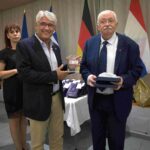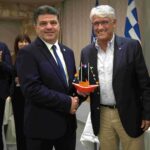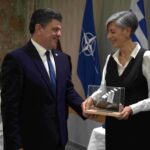
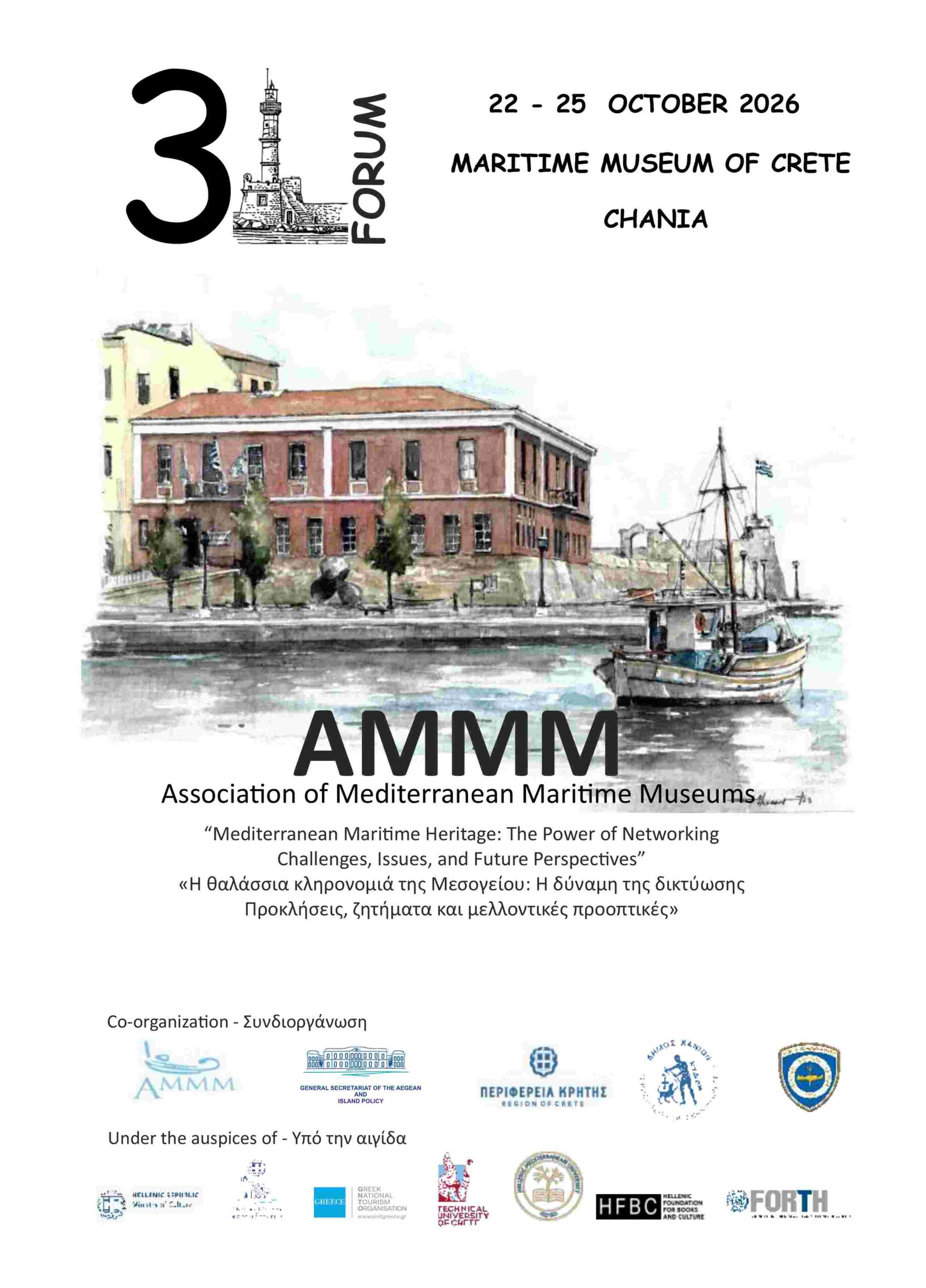
The 31st Forum of the Association of Mediterranean Maritime Museums (AMMM) was successfully held in Chania, Crete, from 22 to 25 October 2026, hosted by the Maritime Museum of Crete. The Forum was jointly organised by the AMMM, the General Secretariat for the Aegean and Island Policy, the Region of Crete – Regional Unit of Chania, the Municipality of Chania, and the Maritime Museum of Crete.
This important international gathering took place at the historic Moro Shipyard (Neorio Moro), located in the Venetian Harbour of Chania, which houses the Maritime Museum of Crete’s Permanent Exhibition of Ancient and Traditional Shipbuilding. The choice of this venue carried particular symbolic significance, connecting Crete’s centuries-old maritime and shipbuilding traditions with contemporary challenges relating to the preservation, study, and promotion of maritime cultural heritage.
The Forum brought together representatives of 50 maritime museums, universities, cultural organisations, and institutions. A total of 42 academic presentations were delivered, reaffirming the international character and growing importance of the Association as a major network for cooperation in the fields of maritime history, museology, and cultural heritage management.
The Central Theme of the 31st Forum
This year’s Forum was held under the central theme:
“Mediterranean Maritime Heritage: The Power of Networking – Challenges, Issues and Future Perspectives”
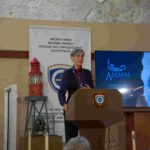
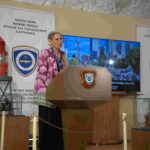
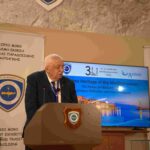
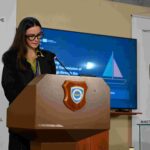
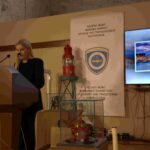
The official opening ceremony featured welcome addresses by Dr Tea Perinčić, President of the AMMM, Curator and Museum Adviser at the Maritime and History Museum of the Croatian Littoral; Andreia Filipa Correia Pinto Conceição, Member of the Executive Council of the International Congress of Maritime Museums (ICMM) and Chair of the ICMM Ships Committee; and Emmanouil I. Petrakis, Captain (Ret.) of the Hellenic Navy and President of the Maritime Museum of Crete.
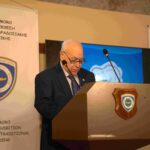
In his opening address, the President of the Maritime Museum of Crete emphasised the importance of international cooperation and the development of strong and lasting networks of communication among maritime museums. He highlighted their essential role in preserving historical memory, promoting a shared Mediterranean cultural identity, and creating new opportunities for future collaboration.
Six Thematic Sessions – One Common Goal
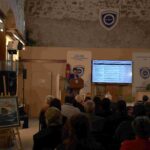
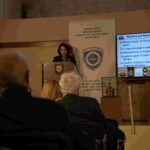
The Forum’s academic programme was structured around six thematic sessions, addressing a broad range of issues of particular relevance to the contemporary museum community. The discussions focused on networking among maritime museums and the exchange of best practices; the management and protection of maritime cultural heritage; the contribution of partnerships to the development of the blue economy; the recognition and promotion of women’s roles in Mediterranean maritime history; and emerging perspectives in cultural tourism and museum education.
Particular emphasis was placed on the use of new technologies, the development of innovative educational programmes, and the exploration of new approaches to public engagement. These initiatives aim to ensure that maritime museums serve not only as institutions dedicated to preserving historical memory but also as active centres of education, research, and cultural creativity. The presentations and subsequent discussions highlighted the diversity of Mediterranean maritime heritage and the need to strengthen cross-border cooperation to ensure its effective protection and promotion.

International Participation and Strengthening Cooperation
The Forum welcomed representatives of maritime museums, universities, research institutions, and cultural organisations from numerous Mediterranean countries, including Greece, Cyprus, Italy, Spain, Portugal, France, Croatia, Slovenia, Montenegro, and Türkiye. The participation of professionals from different academic disciplines and cultural institutions encouraged constructive dialogue on the contemporary challenges facing maritime museums, while also creating new opportunities for cooperation in research, exhibitions, educational activities, and the exchange of expertise.
A particularly significant development was the expansion of the Association of Mediterranean Maritime Museums. During the General Assembly, the Municipal Maritime Museum of Kavala and the “THALASSA” Municipal Museum of Ayia Napa, Cyprus, were admitted as full members of the AMMM, while the Friends of the Museum of Aegean Boatbuilding and Maritime Crafts, based on the island of Samos, joined the Association as an associate member. The admission of these new members represents another important step towards strengthening the cohesion and representativeness of the Mediterranean network of maritime museums.
The Contribution of the Maritime Museum of Crete
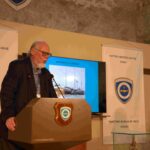
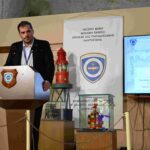
In addition to its responsibilities as organizer and host, the Maritime Museum of Crete actively contributed to the Forum’s academic program, presenting aspects of its research, exhibition, and educational activities through the presentation entitled: “Mapping Maritime Heritage: The Historical Cartographic Collection of the Maritime Museum of Crete as a Tool for Learning and Engagement.”
Hosting the 31st Forum marked a particularly important milestone in the Museum’s history, providing an opportunity to showcase its collections, exhibitions, and initiatives to an international audience, while also highlighting the wider maritime history of Crete. Furthermore, the presence of a substantial number of representatives from international cultural and academic institutions contributed to promoting Chania as a destination with a distinctive historical and cultural identity, capable of hosting major international academic gatherings.
Cultural Events and Discovering the History of Chania
In addition to the academic sessions, the Forum’s program included cultural activities that offered participants the opportunity to discover the history, traditions, and cultural character of Chania. A particular highlight was the musical event held on Saturday, 24 October 2026, at the “Mikis Theodorakis” Theatre, featuring the distinguished composer and pianist Stefanos Korkolis and the acclaimed singer Sofia Manousaki. Their performance of works by Mikis Theodorakis was one of the most memorable moments of the Forum, offering delegates a unique musical experience and demonstrating the power of culture as a means of communication and connection between peoples.
An Important Milestone for Mediterranean Maritime Heritage
The successful conclusion of the 31st Forum reaffirmed that cooperation and networking are essential prerequisites for the sustainable management and effective promotion of the shared maritime cultural heritage of the Mediterranean. The academic presentations, exchange of experiences, and development of new professional connections highlighted the vital role of maritime museums in preserving historical knowledge, educating younger generations, and strengthening cultural cooperation.
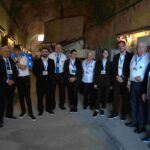
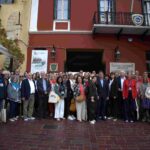
The Maritime Museum of Crete extends its warmest thanks to the President and members of the Association of Mediterranean Maritime Museums, the representatives of participating museums and organisations, the speakers, and everyone who contributed to the successful organisation of the Forum. Special thanks are also extended to all participating institutions, supporters, partners, and volunteers, as well as to the Board of Directors and staff of the Maritime Museum of Crete, whose dedication and efforts were instrumental in the preparation and successful delivery of the event.
With the conclusion of this year’s gathering, the responsibility for hosting the next Forum passes to the Istanbul Naval Museum, where the 32nd AMMM Forum will take place in 2027, continuing the collective commitment to preserving, studying, and promoting the maritime heritage of the Mediterranean. The Maritime Museum of Crete, firmly committed to historical research, museum education, and international cultural cooperation, will continue to play an active role in safeguarding and promoting maritime history and traditions, further strengthening the international cultural profile of Chania and Crete.