
The term Navigation (Navigation) is used in the navy and maritime area usually with the following three meanings:
1.-As Science – Technique:
By this meaning navigation is the science and that the technique which ensure the safe handling of the ship. Includes a set of rules and professional knowledge necessary for this purpose. This concept coincides with the first match of the term shipping, which is also the predominant.
2.–As carry out cruising: By this meaning navigation is identical to the sea-or Water-.
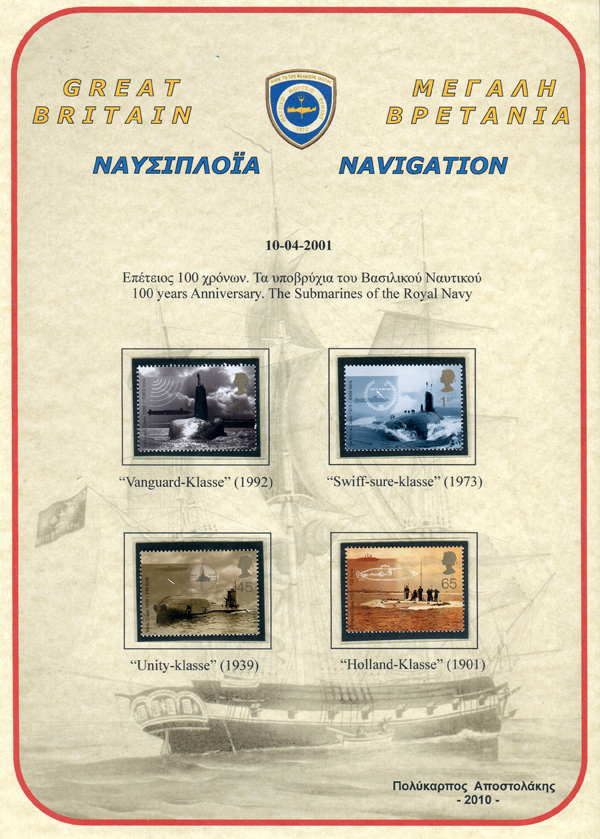
3.-As category of cruising: Finally in this sense navigation regards a cruising category associated with common traits mainly of marine space performed, eg Coastal navigation (coasting) instead of term “shipping” or inland waterways navigation (inland navigation). In the latter case, the term receives official status especially when issued specific regulations navigation which are common mandatory settings.
HISTORY OF SHIPS
The Egyptologists find that the representations (illustrations) for oared vessels found in Egypt, must have taken place around the year 3000 BC Pictured with 20 rowers and a load of cattle on them.
The Phoenicians in the Mediterranean resulted in the largest shipbuilding development. With sophisticated (for the time) ships crossing the Mediterranean carrying large loads to points. Rightly regarded as the first naval people of antiquity.
For Hellas we know that the Cretans were proud and worthy seamen. The Homeric epics out of the inscriptions and related performances during the Trojan war, Greek ships without deck.For Hellas we know that the Cretans were proud and worthy seamen. The Homeric epics out of the inscriptions and related performances during the Trojan war, Greek ships without deck.
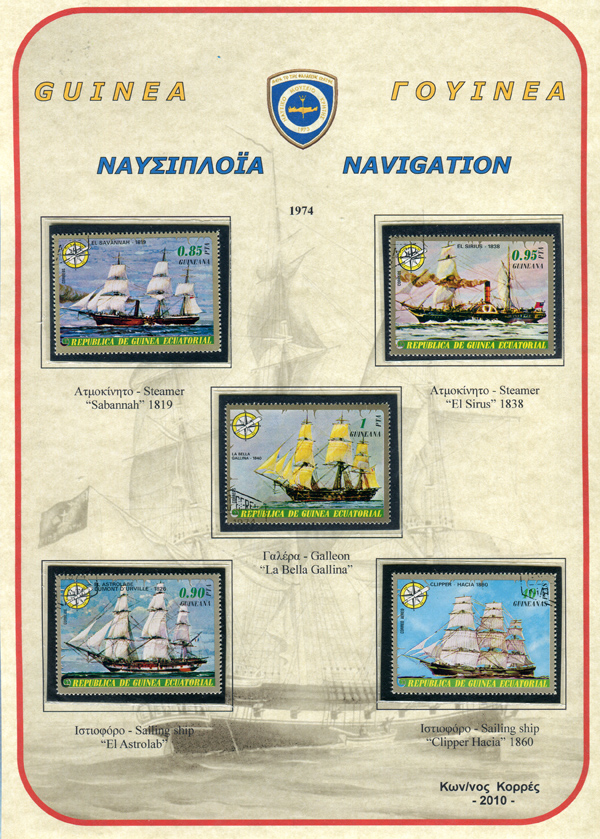
During the Roman era, shipbuilding art made new progress. The movement of large Roman galleys were rowing by chained slaves. While the Nordic countries, Norway – Denmark – Sweden, the Vikings had developed wonderful waterways with huge ships.
At the time of the Crusades, ships with square sails and the Cross in the middle crossing across the Mediterranean. Venetians, Spaniards and Portuguese were now Seafaring peoples.
After the Renaissance opened new horizons in the European waterways. Begins the saga of discovery together with the construction of iron ships with sails and also shows the steam which has brought a revolution in the development of ships. Tested in 1802 and 1907 Fulton put in motion the steamer Claremont (the Savvani was the first).
At the beginning of the 20th century we have the appearance of ocean liners, which connected anymore with certainty and fixed dates the major shopping centers of the globe.
Today nuclear energy is to give a new revolutionary breakthrough in ship traffic and evolution Maritime tends toward a bright future with many pleasant surprises.